The established pools: Pecan Grove and the older streets
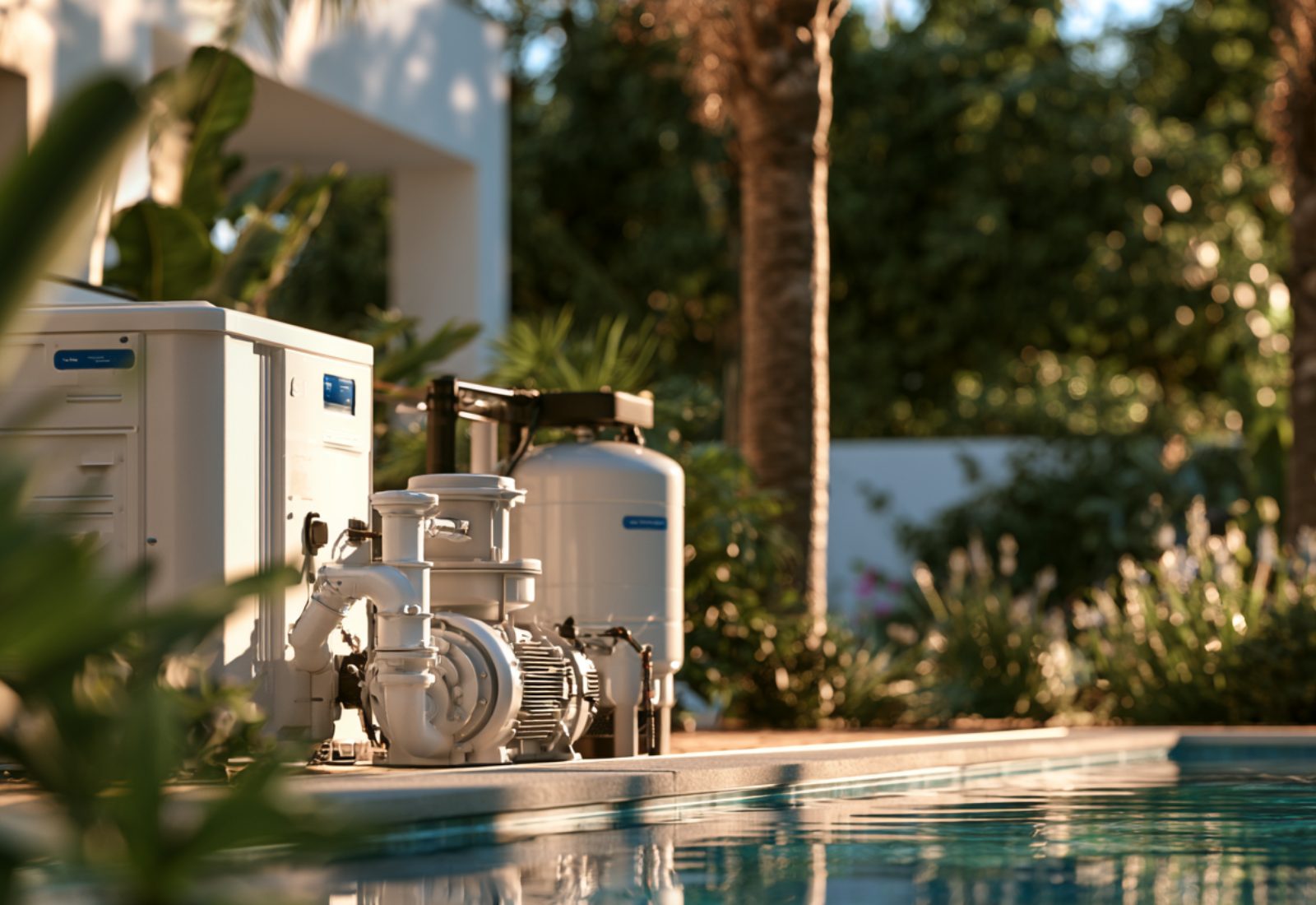
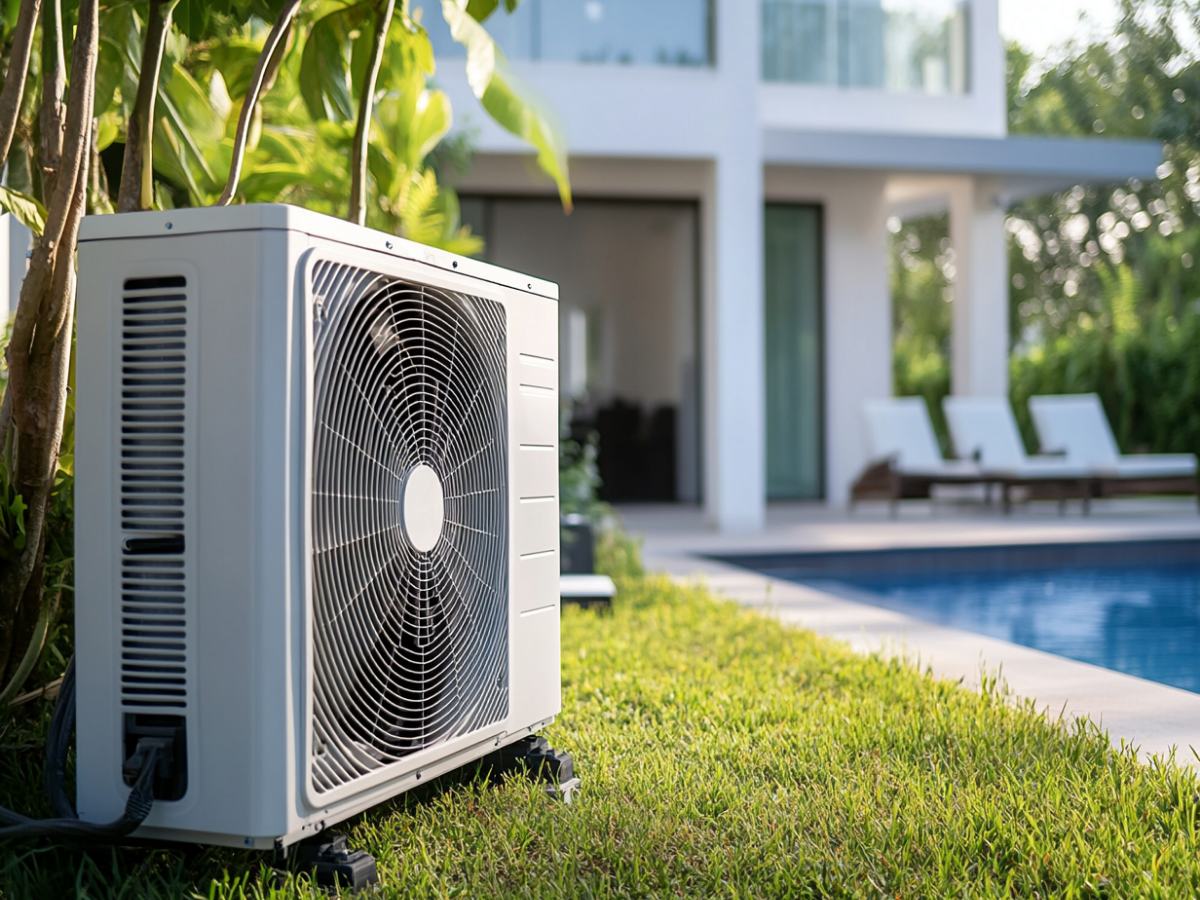
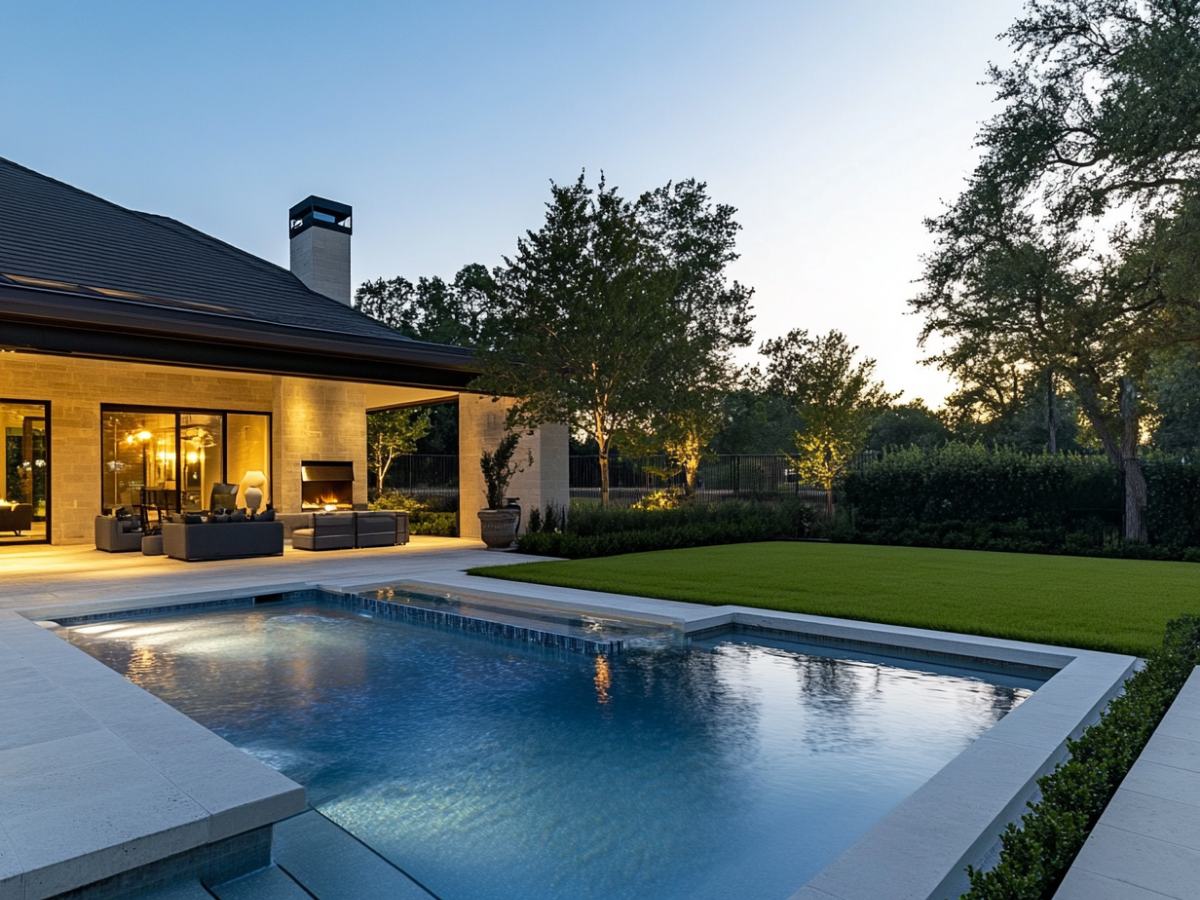
A large share of Richmond's pools were built in the 1990s and 2000s. Twenty-plus years on, the pattern at the pad is familiar: a single-speed pump on a mechanical time clock, a filter that has been re-plumbed at least once, a heater that may or may not still fire, and PVC that has spent two decades in the sun. Automation on top of a failing pad is money wasted. The first job is an honest repair-or-replace assessment.
The new pools: Aliana, Harvest Green, Veranda
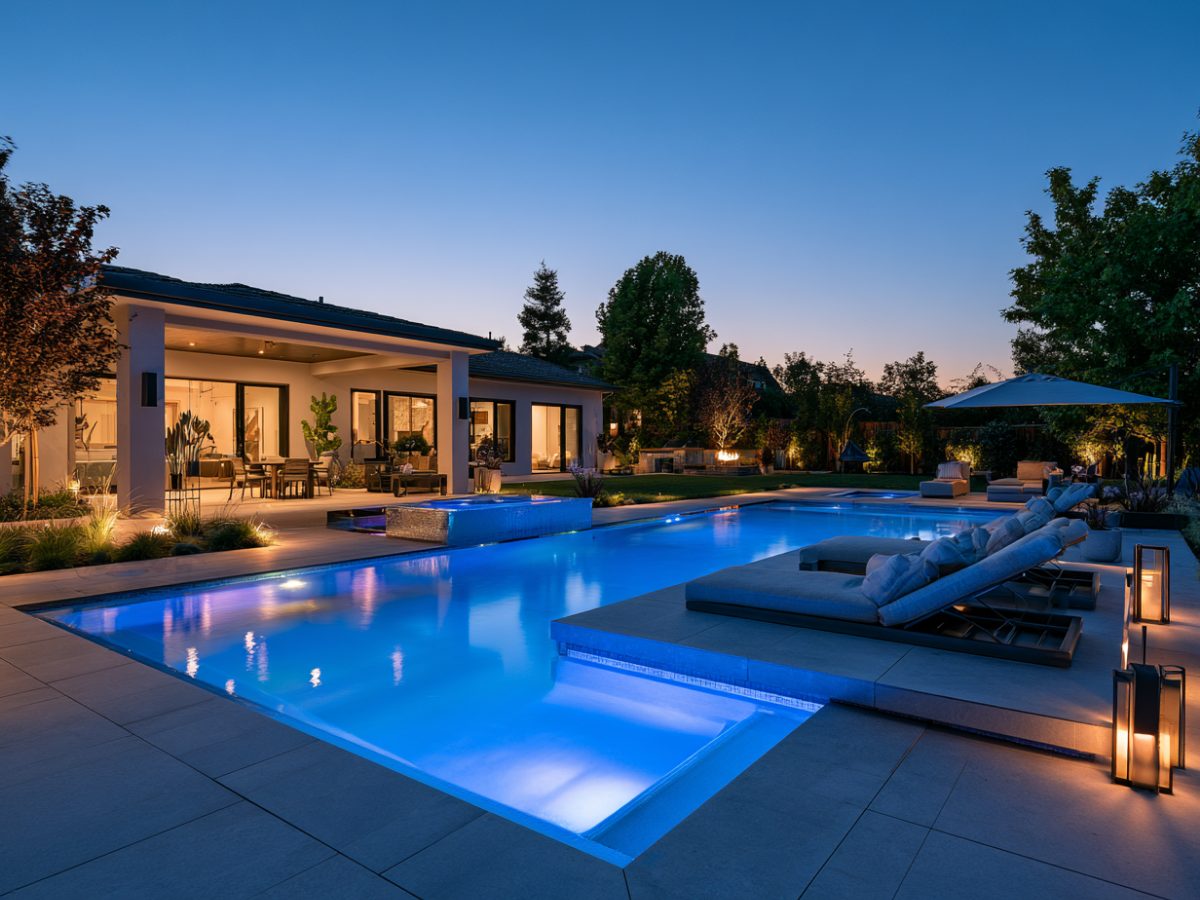
Richmond's master-planned communities are adding pools quickly, most of them with builder-specified equipment. These pads are clean and have room. The question there is not repair — it is whether to plan for central control before the pad fills up.
Mature trees where the town is old
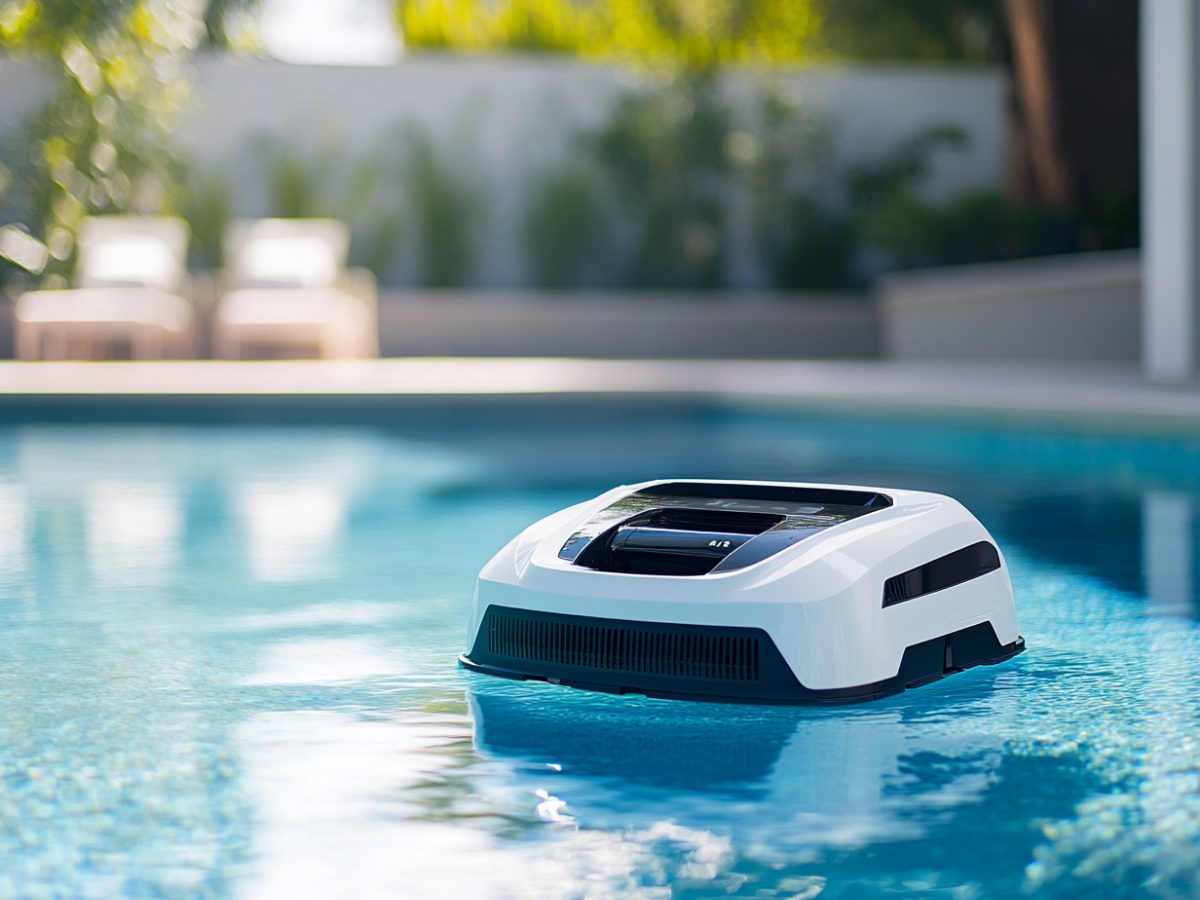
Pecan Grove is named honestly. Established Richmond neighbourhoods carry pecans, live oaks and the debris that goes with them: nuts and leaf drop in autumn, live-oak leaf and pollen through late winter and spring. Robotic cleaning and a well-set filter schedule earn their place here in a way they do not yet in the new communities.
The Brazos and the low ground
Parts of Richmond sit close to the river. Equipment pads on low ground deserve attention to drainage, elevation of electrical components and what happens to a controller in a flood. We look at that during the assessment; it is not a reason to avoid automation, but it changes how the pad is laid out.
Water
Richmond is served by the city and by several utility districts, some on groundwater and some transitioning to surface water. Fill-water hardness affects salt cell life and scaling, so we test rather than assume.